Zoom, CNN & Ledger Caught in Major Crypto Malware Attack Across 178 Sites
Malicious JavaScript served via Optimizely reached visitors of 178 organisations on 16 November 2026, including Ledger, swapping crypto wallet addresses.

By Pallavi Malviya GuptaChief Editor
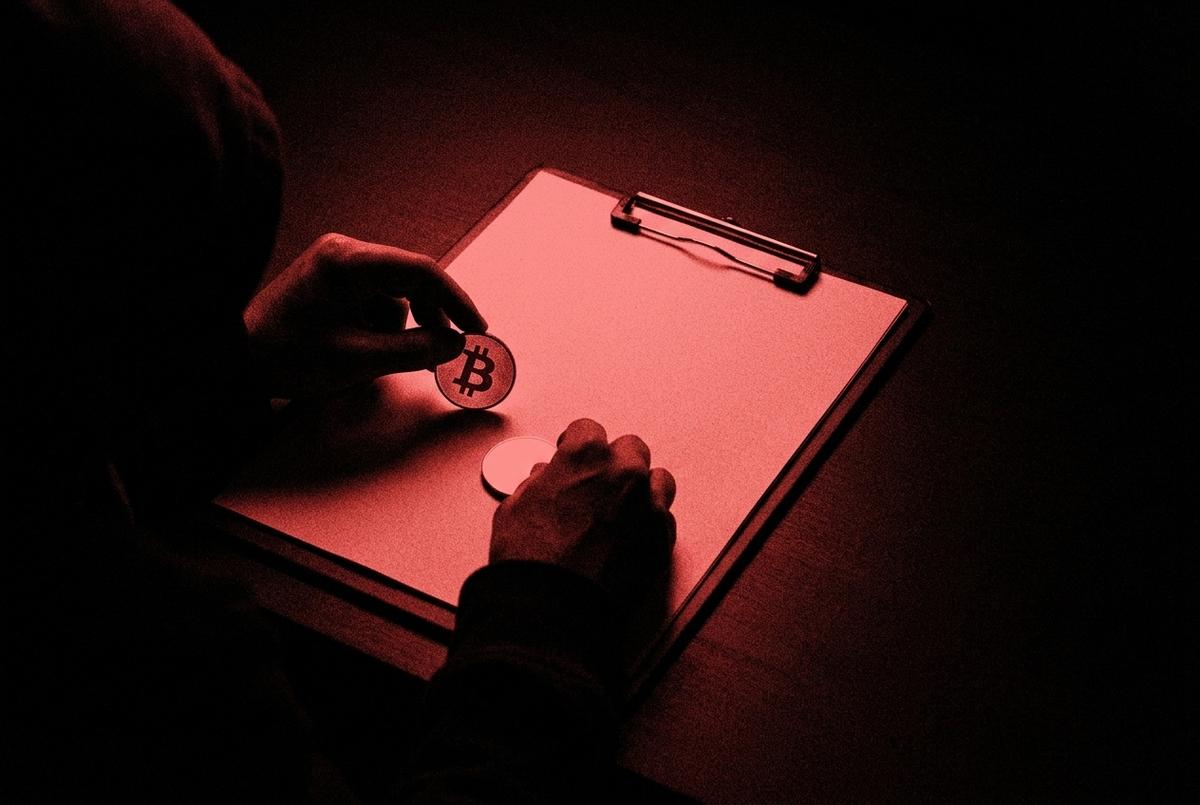
On 16 November 2026, malicious JavaScript served through Optimizely's Web experimentation platform reached visitors of 178 organisations, including hardware wallet maker Ledger, according to Report URI, the security firm that found the infected code. The script swapped cryptocurrency wallet addresses for the attacker's own when people copied them, and it also skimmed payment card details typed into website forms.
- The news: Report URI found malicious JavaScript being served to visitors of 178 organisations through Optimizely's experimentation platform on 16 November 2026.
- The key figure: 188 infected snippets belonging to 178 organisations, out of the 1,611 distinct Optimizely snippets Report URI fetched and checked.
- What happens next: Optimizely says it has blocked the vulnerable path and deployed a fix, while researchers have still not established how the attacker got in.
Ledger's Snippet Was One of 188
Report URI's list reads like a directory of sites people already trust. Zoom, the BBC, CNN, Salesforce, GitLab, IKEA, HSBC, Equifax, Air France-KLM, Ledger and Peacock are among the 178 organisations. For a crypto reader, Ledger is the one that matters, because the malicious code did something specific to wallets.
The clipper script found valid wallet addresses for BTC, ETH and EVM chains, TRON, Solana, TON, Litecoin, Bitcoin Cash and Dogecoin and replaced them with the attacker's. It did that in page text, form fields, links and images, in the clipboard, and in outgoing requests. That is the copy-and-paste step where a hardware wallet is meant to be the last line of defence: you copy an address, you check it on the device, you send.
There is no confirmation that any Ledger hardware, firmware or private keys were compromised. The attack lived on the website, not in the device, and a reader who checked the address on their hardware screen before sending would have caught the swap. Report URI's count is one of several: it found 188 snippets across 178 organisations, while other tallies put the confirmed site count slightly lower, because the figures measure different things.
Why the Trusted Host Made It Worse
The attacker wrote their own code into the Project JavaScript field of customer Optimizely projects and left the rest of each snippet untouched, Report URI said. The files were still served from cdn.optimizely.com, with Optimizely's certificate, from a host every affected site already trusted. Optimizely's own www and login sites carried the code too, and Report URI said this was not a CDN cache-poisoning attack.
Visitors on iPhones and iPads faced a second stage: the script loaded code linked to the Coruna and DarkSword iOS exploit kits, Report URI found. StepSecurity's timeline shows the payload was rebuilt 26 times during the day, with the track.js file growing from 28,877 bytes at 16:02 UTC to 30,430 bytes at 18:11 UTC.
The Crypto Take Stayed Small
For all the reach, the addresses tied to the malware collected little. StepSecurity put the funds received or held across the attacker's BTC, LTC, ETH and TRX addresses at about $6,600 at 16 November prices, and noted that some addresses had activity predating the attack. Alex Thorn, head of firmwide research at Galaxy Digital, estimated victims sent only about $2,300 in total. The estimates disagree, and no single figure is settled.
Optimizely's Response and What To Watch Next
Optimizely has confirmed the incident. It said an unauthorized party added malicious JavaScript to some customer projects and that it has blocked the vulnerable path and deployed a fix, though its public notice does not describe the signup-flow mechanism that has been reported but not confirmed.
StepSecurity said it had "not established how the Optimizely-hosted files were modified". That sentence matters most for anyone weighing the risk: without knowing how the attacker reached the Project JavaScript field, there is no way to be sure the same route is closed.
Equifax investigated and stopped using Optimizely, saying it found no evidence of compromise to its systems. Salesforce said it was investigating unauthorized changes to Optimizely scripts on some of its sites and disabling them as a precaution. It is not yet clear whether the code was successfully used against visitors in every case.
For now, the open question is the access route. Until Optimizely or the researchers name it, the useful takeaway is narrower: an address shown on a trusted page is not the same as a verified one, and the device screen is still where the check happens.

Pallavi Malviya Gupta
Pallavi Malviya Gupta is the COO of Altcoin Buzz and founder of Funjible Games. Based in Singapore, she's been with Altcoin Buzz since its early days. Pallavi brings a builder's eye to both crypto media and gaming, she's spent years watching both spaces grow from niche communities into mainstream industries and still gets genuinely excited when something's built well.
More from PallaviNext up

Binance Lets Users Spend Against BTC, ETH and BNB With Pay Later
Binance opens Pay Later in Argentina and Mexico, letting users borrow up to 1,000 USDC against BTC, ETH or BNB, with liquidation at a 44% collateral drop.
 BTC
 BNB
Related
More in Crypto NewsRelated
Bitcoin Recovers to $64,500 After $2 Billion Weekend Liquidation
BTC ETH
Bitcoin Drops to $62,081 as Spot ETFs Lose $1.91 Billion
BTC SOL
Anthropic IPO Dates Set as Bitcoin's Slide Tops 20%
BTCETH
Crypto Fear and Greed Index Hits Extreme Low Falls to 12 as BTC Trades at $64,500
BTC

