Who Moved $14.7 Billion of Dormant Bitcoin?
A developer's second look at 92,076 Bitcoin wallets flagged dormant in 2018 found 9,990 have since spent about 245,000 BTC, worth $14.7 billion.

By Bikash DekaAnalyst
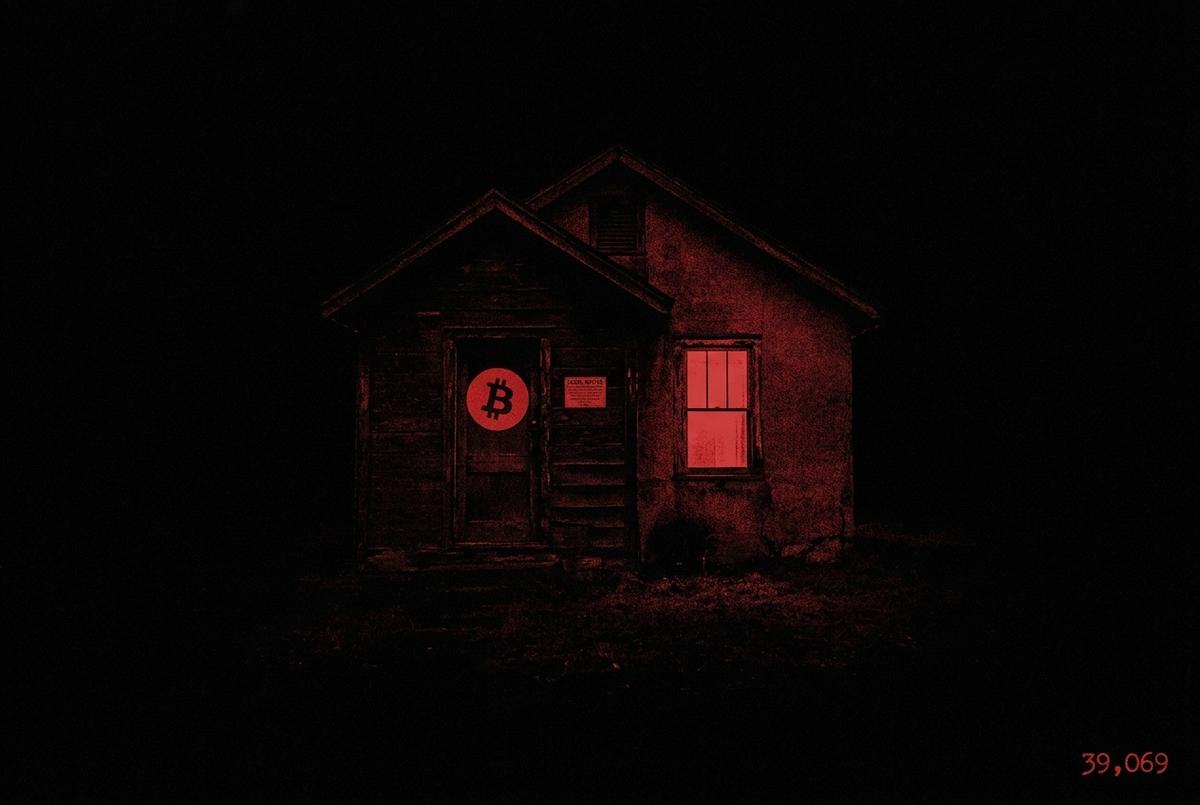
Nearly 10,000 Bitcoin wallets that a developer listed as dormant in 2018 have moved coins since, sending about 245,000 BTC out of addresses that had sat silent for years. By the time the audit was published, that was worth just over $14.7 billion.
The check-up comes from Quickben22, the pseudonymous developer who built the original list of 92,076 addresses in 2018, collecting wallets that had not moved funds in more than six years on the assumption their owners had lost the keys. Eight years later he went back through them: 9,990 addresses have spent, while 82,086, or 89.2% of the list, still hold 2,256,802.64 BTC untouched, according to the study's own site.
That matters right now, because a New York lawsuit wants a court to hand over thousands of long-silent addresses as abandoned property. The audit shows a chunk of that pool is anything but abandoned.
- The news: a recheck of 92,076 Bitcoin addresses flagged as dormant in 2018 found 9,990 have spent coins since.
- The key figure: about 245,000 BTC, worth just over $14.7 billion, has left those addresses, and 95,845 BTC of it moved in 2025 alone.
- What comes next: the Noah Doe lawsuit in New York, which seeks title to 39,069 dormant addresses, is still pending.
Seven Steady Years, Then a Spike in 2025
For seven years the coins left slowly, at roughly 11,000 to 32,000 BTC a year. Then the pattern broke. The study counts 95,845 BTC leaving the dataset's addresses in 2025, and 87,240 BTC of that came from just 60 addresses.
The biggest single move was on 4 July 2025, when eight addresses holding about 10,000 BTC each sent out 80,009 BTC over eleven hours, after 14.2 years of silence. Twenty-one days later, on 25 July, Galaxy Digital said it had sold more than 80,000 BTC for a "Satoshi-era investor".
Not every wake-up is a whale. On 26 March 2024, thirty-four wallets holding exactly 50 BTC, the 2010 block reward, were emptied in a single transaction after about 13.5 years. On 11 November 2022, seven identical 500 BTC wallets were drained on the day FTX filed for bankruptcy, after 11.3 years.
The New York Case Asking for 39,069 Addresses
The Noah Doe lawsuit was filed in New York's Supreme Court in March 2026, seeking quiet title, a ruling that settles who owns a property, over more than 3.7 million BTC, about $274 billion, tied to 39,069 bitcoin addresses (New York County Supreme Court, Index No. 153119/2026), according to a Galaxy Research analysis. Galaxy adds that the plaintiffs also seek legal title over the 21,744 addresses suspected of belonging to Satoshi Nakamoto, holding about 1.09 million BTC, worth about $83.7 billion at current prices.
A courtroom win would not move a single coin. Even a complete victory hands the plaintiffs a court declaration and nothing more: no private key, and so no ability to spend. What the case could create, Galaxy Research argues, is a cloud on title.
The numbers behind the filing do not line up neatly either. The legal lever is a provision for property worth under $10, yet 39,046 of the 39,069 addresses are worth far more, with the median holding about 50 BTC, roughly $3.86 million, per the study. One wallet named in the suit, first funded in 2013, moved 411.45 BTC in October, then worth $33.4 million. In May 2026, with the court's permission, the plaintiffs sent 546-satoshi payments carrying a legal notice to the addresses, though many wallets do not display such messages.
The pool is an awkward fit for a claim in other ways. It includes the Mt. Gox hacker address, a Counterparty burn address nobody ever owned, and about 21,923 addresses associated with Satoshi. The single largest, 1FeexV6..., holds 79,957 BTC untouched since March 2011 and is named as "John Doe #1". In total, 94 addresses hold 1,000 BTC or more, with 344,864 BTC between them. One pseudonymous holder has filed a motion to dismiss, saying they still control a named wallet.
'Dormant' Is Not the Same as 'Lost'
"Dormant is not the same as lost," Quickben22 said in an interview about the audit. "I expected nearly all of the 92,076 addresses to still be silent after 8 years. About 89% are, but 9,990 have moved, and 14+ year old addresses are still waking up."
His wider point is that coins which have not moved are not automatically coins nobody can move. Outside the study, the Bitcoin Years tracker counts about 3.61 million BTC, 17.9% of mined supply, that had not moved for 10 years or more as of 22 November 2026, of which roughly 2.22 million BTC had been still for over 15 years. In the 12 months before that date, more than 53,000 BTC aged 10 years or more started moving.
Two limits are worth keeping in mind. The audit follows a fixed group of addresses chosen in 2018, so it says nothing about coins that only reached the 10-year mark later. And movement is all the blockchain records: whether those coins were sold, shuffled into new wallets or handed to a custodian is not established by the data, and the share of the 245,000 BTC traceable to Satoshi Nakamoto is not known. Published counts of the share of addresses that moved differ slightly, between about 10.8% and 10.9%.
The Case Is Pending, the Addresses Keep Waking
Update (24 November): A one-week follow-up review covering 12 to 19 November caught 19 more old addresses spending 241.4 BTC in total, after 13.9 to 16.2 years of silence, the study site says.
What comes next sits in the courts rather than on the chain. The Noah Doe case is still pending, and the 546-satoshi notices give any owner who wants to object a reason to show up, which one already has. If a court were ever to grant the claim, it would produce paper rather than keys. And as long as addresses last active in 2010 and 2011 keep waking up, the argument that silence means abandonment gets harder to make.

Bikash Deka
Bikash Deka is a crypto and Web3 analyst and writer focused on making blockchain, cryptocurrency, and digital asset developments easier to understand. His work covers crypto markets, emerging blockchain projects, industry trends, and major developments across the digital asset ecosystem. With a background in Technology and Web3, Bikash combines analytical research with clear, beginner-friendly writing. He follows market movements, evaluates industry developments, and turns complex crypto topics into accessible insights for readers. At Altcoin Buzz, Bikash contributes research driven news and educational content designed to help readers better understand what is happening in the fast-moving world of cryptocurrency and blockchain.
More from BikashNext up
Can Bitmine Reach 5% of Ethereum Supply? It Is 24,436 ETH Short
Bitmine holds 6,085,564 ETH, 4.98% of supply, after buying 7,819 ETH last week. Tom Lee says ETH's 0.90% supply growth matches Bitcoin's 0.82%.
 ETH
 BTC
Related
More in Crypto NewsRelated
ARK Withdraws Two Crypto ETF Filings as Bitcoin Rebounds From $55K
BTC
Why Is Crypto Down Today as Bitcoin ETF Outflows Hit a Record $4.71B?
BTC
Bitcoin Leverage Falls to $29.3B as ETF Outflows Hit $4.34B
BTC
Why Did 11,000 BTC Move to Kraken During Bitcoin's Selloff?
BTC